If you want to know how to keep drinks from getting watery over ice, start with two changes: chill the drink before it reaches the glass, and use the largest practical amount of solid ice for the serving style. Small, warm, or partially melted cubes melt quickly because they have more exposed surface area. A cold drink served over substantial ice melts more slowly and stays balanced longer.
That does not mean all dilution is bad. Water is an intentional part of many cocktails. Shaking or stirring chills a drink while adding water that softens harsh alcohol, integrates sweet and sour ingredients, and improves texture. The problem is unwanted dilution: a drink that tastes right at first but becomes thin before it is finished.
Why does ice water down drinks?
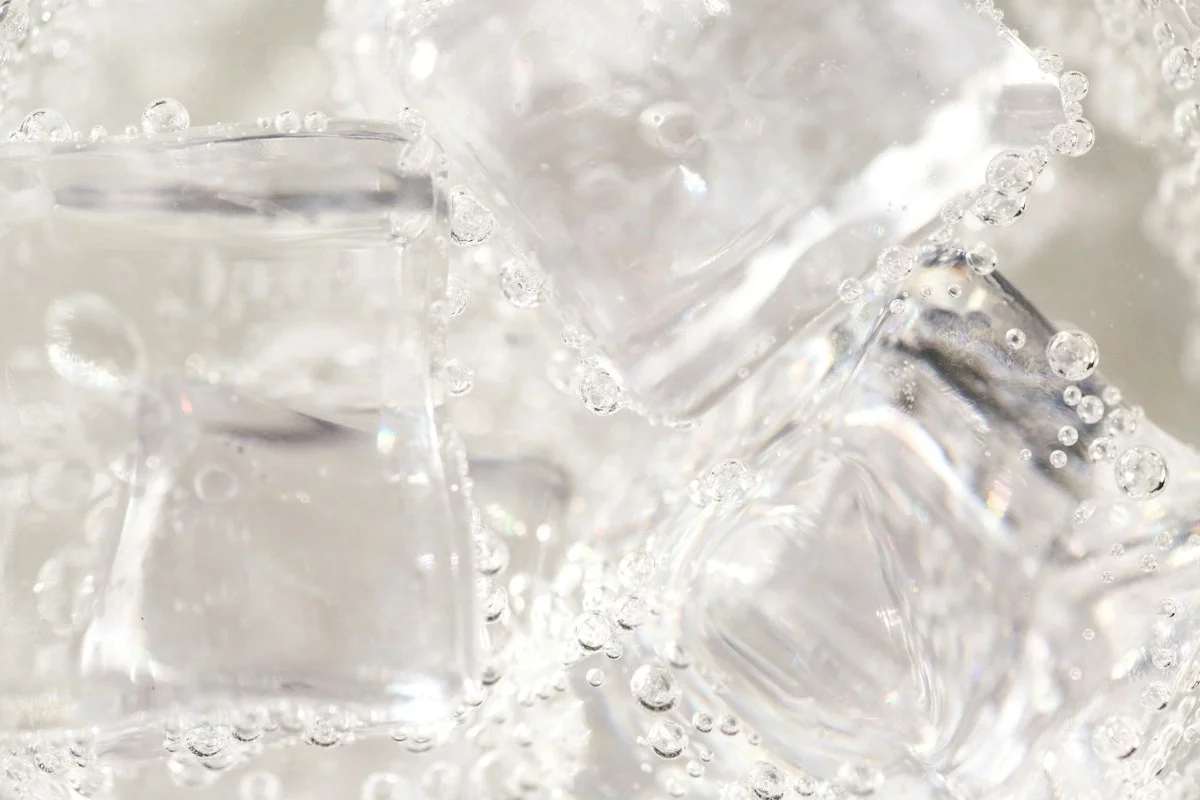
Ice melts when it absorbs heat from the liquid, the glass, and the surrounding air. The warmer any of those things are, the faster melting begins. Small pieces of ice melt especially fast because they expose more surface area relative to their volume than a large cube or block.
A drink can become watery for several reasons at once:
- The ingredients were stored at room temperature.
- The glass was warm.
- The drink was poured over a few small cubes rather than a full glass of ice.
- The ice had begun melting before use.
- The drink was shaken or stirred longer than its style required.
- The serving format called for slow-melting ice, but crushed or small cubes were used instead.
The fix is not simply to use less ice. In most chilled long drinks, using too little ice can make dilution worse. A nearly empty glass leaves more warm liquid around each cube, so the ice works harder and melts faster. Filling the glass with ice brings the drink down in temperature quickly, then reduces the difference between the drink and the ice.
Start with the right kind of ice
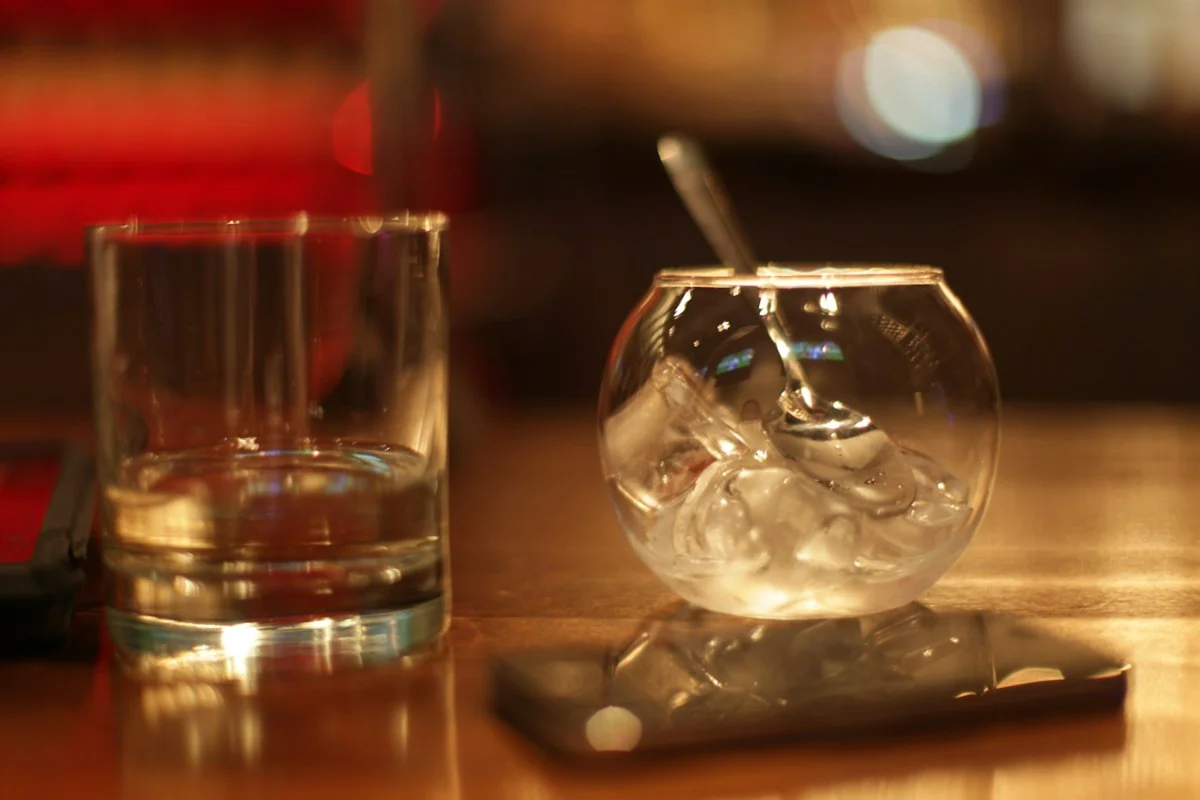
Choose ice according to how the drink is made and served. The best ice for sipping drinks is usually a large, solid cube or sphere, especially for spirit-forward drinks served slowly in a rocks glass. It melts gradually and gives the drink a more stable temperature over time.
| Drink style | Best practical ice choice | Why it works |
|---|---|---|
| Old Fashioned, Negroni, whiskey on the rocks | One large cube or sphere | Slow melting suits drinks that are sipped slowly. |
| Highball, gin and tonic, rum and cola | A glass filled with standard solid cubes or a long spear | Plenty of ice chills the drink quickly and keeps it cold. |
| Mojito, julep, frozen-style swizzles | Crushed ice | Fast chilling and deliberate dilution are part of the format. |
| Shaken sour, Margarita, Daiquiri | Solid cubes for shaking; fresh ice for serving if served on the rocks | Shaking needs enough dilution, but serving ice should fit the intended pace. |
| Pitcher drinks | A large ice block or separately chilled servings | A block melts more slowly than many small cubes. |
Large ice is not automatically better for every purpose. Crushed ice is useful in drinks designed around fast chilling, a frosty texture, and steady dilution. A julep or swizzle should change as the ice settles; that is part of the drink. But crushed ice is a poor choice for a Manhattan on the rocks or a glass of whiskey you plan to sip for half an hour.
For ordinary home use, solid cubes from a tray are usually enough for highballs and casual mixed drinks. Reserve large molds for drinks where slow dilution makes a noticeable difference.
Use cold, fresh, dry ice when possible
Ice quality matters as much as size. Ice that has been sitting out, resting in meltwater, or repeatedly handled is already wet at the surface. It begins contributing water immediately. Fresh ice taken from the freezer is generally drier and gives you more control over the drink’s eventual dilution.
Avoid ice with strong freezer odors or an off taste. Ice is an ingredient, not just a cooling tool, and its flavor becomes part of the drink as it melts. If your tap water has a noticeable taste, filtered water can make cleaner-tasting ice.
Bagged ice can be convenient for a gathering, but look for large, solid cubes where available. Thin pieces and hollow shapes tend to melt quickly and are better suited to fast service than slow sipping.
Chill more than the ice
Better ice cannot fully compensate for warm ingredients. If you build a drink with room-temperature spirits, juice, soda, and glassware, the ice must spend its first moments removing that heat. That produces quick melting before the drink is properly cold.
A few low-effort habits make a clear difference:
Chill the glass
Put rocks glasses, coupe glasses, or highballs in the freezer ahead of time if space allows. Otherwise, fill each glass with ice and cold water while you prepare the drink, then discard it just before serving. A chilled glass gives the drink a colder starting point without adding extra water.
Refrigerate mixers and juices
Keep soda, tonic, juices, cold brew, tea, and batched cocktail components refrigerated until serving. A cold mixer is especially important in highballs, where the drink is built directly over ice.
Pre-chill batched drinks
For a party, make a batch ahead and refrigerate it in a covered container. Serve it cold over ice rather than trying to cool a room-temperature pitcher with a large amount of ice at the last minute.
If a recipe is meant to be stirred or shaken, do that immediately before serving. Do not make a fully iced drink and leave it waiting on the counter while you finish other tasks.
Match dilution to the drink, not to a rule
Learning how to prevent cocktail dilution is partly about accepting the dilution the drink needs. A properly stirred Martini, Manhattan, or Negroni should not taste like undiluted liquor. The small amount of water added during stirring is part of its balance. Likewise, shaking a sour with ice provides both cold temperature and a smoother texture.
Instead of trying to eliminate water entirely, control when and where it enters:
- Dilute during mixing when the recipe calls for it. Shake or stir with solid ice until the drink is thoroughly cold.
- Strain onto suitable serving ice. Use one large cube for a slow-sipping rocks drink, or fill a highball with fresh cubes.
- Serve promptly. Even excellent ice cannot preserve a finished drink indefinitely in a warm room.
- Use smaller servings for slower drinkers. A well-made smaller drink often stays balanced better than a large drink that sits unfinished.
A simple test is useful: if a drink tastes harsh and disjointed immediately after mixing, it may need more mixing dilution. If it tastes balanced at first but fades rapidly in the glass, it likely needs colder ingredients, better serving ice, or faster service.
Common mistakes that cause watered-down drinks
Using only a few cubes
A sparse handful of ice looks tidy, but it can melt quickly in a warm drink. For highballs and other built drinks, fill the glass generously with ice before adding the liquid.
Adding ice before the drink is cold
If a cocktail batch, soda, or juice is warm, the serving ice becomes a rapid-cooling device. Chill components first whenever possible.
Serving spirit-forward drinks over small cubes
Small cubes can be fine for quick drinking, but they are not the best ice for sipping drinks such as an Old Fashioned or neat-adjacent whiskey serve. Use a large cube, sphere, or compact block instead.
Treating crushed ice like standard ice
Crushed ice is supposed to melt faster. Use it for drinks designed for it, not as a default substitute for cubes.
Letting prepared drinks wait
Make guests’ drinks in sensible batches rather than building every glass far in advance. If you need to prepare ahead, chill the non-carbonated base and add ice and sparkling ingredients close to serving.
A practical setup for everyday drinks
You do not need specialty equipment to reduce unwanted dilution. Keep a tray of solid cubes in the freezer, add one large-cube mold if you regularly make rocks drinks, and make room in the refrigerator for mixers and a small pitcher of batched drinks.
For a weeknight highball, use a chilled glass, fill it with solid cubes, add cold spirit and cold mixer, and stir briefly. For a whiskey drink or spirit-forward cocktail, use a chilled rocks glass and one large cube. For a pitcher, chill the mixture first and use a large block of ice or serve over ice in individual glasses.
The goal is not to make ice disappear from the equation. It is to make the drink cold quickly, introduce only the water it needs, and keep its balance intact long enough to enjoy.