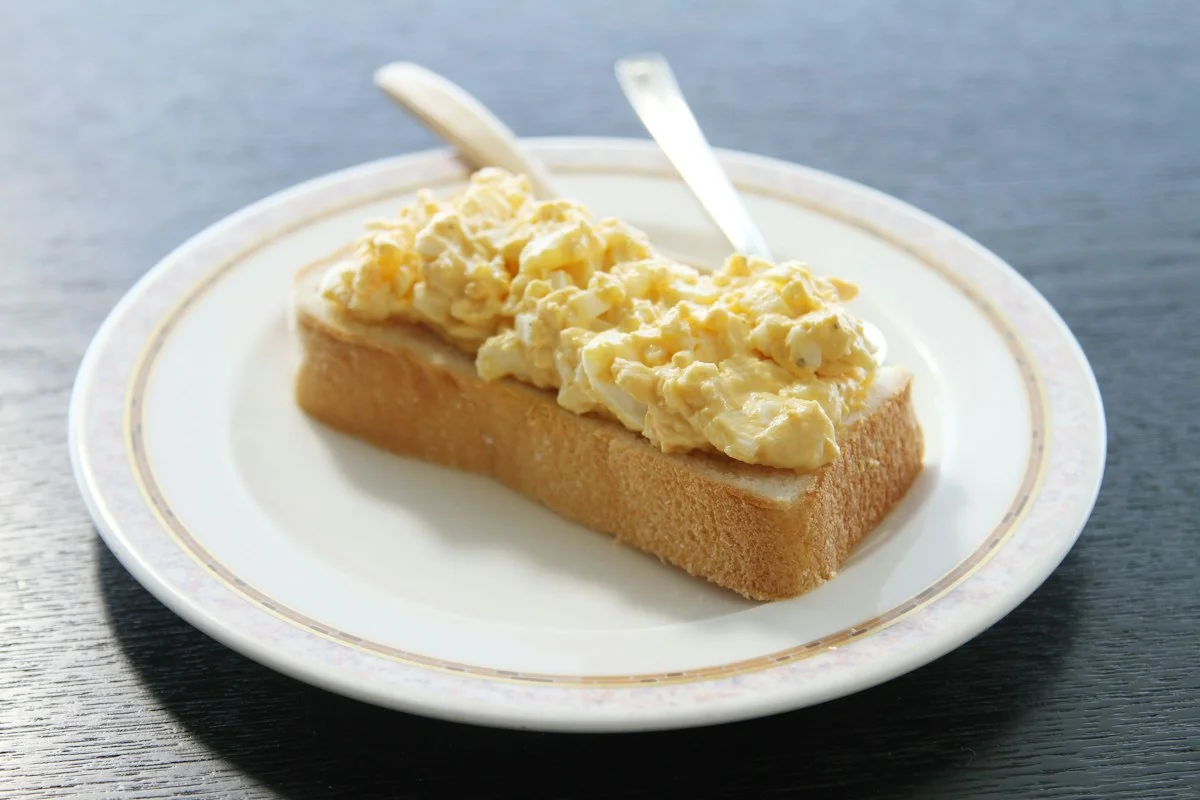
Hotel-style scrambled eggs are soft because they are cooked gently, stirred often, and removed from the heat before they become firm and dry. At home, the most reliable method is to whisk the eggs thoroughly, use a lightly buttered nonstick pan over low to medium-low heat, cook in a modest batch, and stop while the eggs still look slightly glossy.
For two people, whisk four large eggs with a small pinch of salt until the whites and yolks are fully blended. Add a spoonful of milk, cream, or water only if you like a softer, looser texture; too much added liquid can make the eggs watery. Melt butter in a nonstick skillet, add the eggs, and use a silicone spatula to push the mixture slowly across the pan. Keep scraping the bottom and folding the eggs over themselves rather than vigorously stirring.
Remove the skillet from the burner when the curds are mostly formed but still look moist. The eggs will continue cooking from the heat in the pan. Serve soon after cooking rather than trying to hold them for a long time.
The variables that matter most
The difference between tender scrambled eggs and a dry, watery plate usually comes down to five things.
1. The egg mixture
Whisk the eggs until no streaks of clear white remain. This distributes the whites and yolks evenly, so the finished curds are consistent instead of rubbery in some places and loose in others.
Milk or cream is optional, not essential. A small amount can make the eggs feel softer, but it also adds water that must cook off. If you add more liquid than the eggs can absorb, the pan may release a thin puddle before the curds are fully set. For a clean, egg-forward result, use the eggs alone or add only a modest spoonful of liquid.
Salt can go into the eggs before cooking. If you are preparing eggs for picky eaters, keep the seasoning simple and let people add pepper, cheese, herbs, or hot sauce at the table.
2. Pan temperature
A very hot pan gives you large, firm curds quickly, but it also leaves little room to correct the texture. The outside can set before the center is ready, and the eggs can turn dry before you notice.
Low to medium-low heat is more forgiving. The eggs should begin to thicken soon after they reach the pan, but they should not aggressively sizzle or brown. If the mixture is setting in a thin layer before you can fold it, lower the heat or briefly move the pan away from the burner.
3. Stirring and folding
Use a flexible spatula to make broad passes across the bottom of the skillet. Push the cooked egg toward the center, then tilt the pan so the still-liquid egg runs into the open space. Repeat this gently, folding rather than beating.
Small, frequent movements create tender curds. Constant aggressive stirring can break the eggs into fine pieces, while leaving them untouched encourages a firm layer on the bottom and a loose layer on top.
4. Batch size
A crowded pan cooks unevenly. The bottom layer may overcook while the top remains wet, especially if you are making breakfast for several people.
For a group, use a wide skillet and work in batches, or use a pan large enough to spread the eggs into a fairly shallow layer. More eggs require more time and more careful folding, so do not simply double a small-pan method without allowing for the change in depth.
5. Holding time
Scrambled eggs are at their best immediately after cooking. A hotel buffet has to balance convenience with texture, but a home cook can usually improve the result by cooking closer to serving time.
If you need to serve several people, cook the eggs in batches and bring them to the table as soon as possible. Long holding encourages the proteins to tighten and can produce both dry curds and liquid separation. Keep food-safety guidance in mind, especially when serving children, older adults, pregnant guests, or anyone with a weakened immune system. For current advice on cooking and holding eggs, check the USDA or your local food-safety authority rather than relying on a fixed household rule.
A reliable hotel-style scrambled egg method
Ingredients
- 4 large eggs
- 1 teaspoon butter, plus more for the pan if needed
- 1 small pinch of salt
- 1 tablespoon milk, cream, or water, optional
- Black pepper or finely chopped herbs, optional
Equipment
- Nonstick skillet
- Silicone spatula
- Bowl and fork or whisk
Method
-
Whisk the eggs. Crack the eggs into a bowl. Add the salt and optional liquid, then whisk until the mixture is an even yellow with no visible streaks of white.
-
Warm the pan gently. Place a nonstick skillet over low to medium-low heat. Add the butter and let it melt without browning. Swirl it across the cooking surface.
-
Add the eggs. Pour in the mixture. Wait briefly for the edges to begin thickening, then use the spatula to pull the set egg toward the center.
-
Fold in stages. Continue making slow passes across the bottom, moving the cooked portions aside and allowing the liquid egg to reach the pan. Fold the larger curds over themselves as they form.
-
Stop early. Take the pan off the heat when the eggs are softly set, with a little sheen remaining. They should not look liquid, but they should look more moist than the texture you want on the plate.
-
Finish and serve. Add pepper, herbs, or a little cheese if desired. Transfer the eggs to warm plates and serve promptly.
This method makes roughly two breakfast portions, depending on what else is on the table. For more guests, repeat the process rather than making a deep, crowded batch in a small skillet.
How to keep scrambled eggs moist without making them watery
Moist eggs and watery eggs are not the same thing. Moist eggs have tender curds with a slight sheen. Watery eggs have visible liquid collecting in the pan or on the plate.
To keep the texture moist:
- Cook over gentler heat.
- Remove the pan before the eggs look fully dry.
- Use a shallow layer of eggs rather than overcrowding the skillet.
- Avoid adding a large amount of milk or cream.
- Serve soon after cooking.
- Let the eggs finish setting in the residual heat of the pan instead of leaving them over the burner.
Butter adds richness, but it does not replace good temperature control. A large amount of dairy or fat cannot rescue eggs that have been overcooked.
Troubleshooting watery scrambled eggs
The eggs released liquid in the pan
The heat may have been too low for the batch size, or the mixture may have contained more added liquid than the pan could cook away evenly. Next time, use less milk or cream, use a wider skillet, and increase the heat slightly while keeping the eggs moving.
The eggs were watery on the plate
They may have been removed too early, or they may have been held in a covered dish where condensation collected. Cook until the eggs are softly set rather than visibly runny, then serve promptly. If you are cooking ahead for a crowd, smaller batches usually hold better than one large batch.
The eggs were dry and rubbery
The pan was probably too hot, the batch was left over the heat too long, or the eggs were cooked until they looked completely finished in the skillet. Lower the heat and remove them while they still have a slight sheen.
The eggs were bland
Season the mixture before it reaches the pan, then taste the finished eggs and adjust at the table. Butter, black pepper, chives, grated cheese, and a small spoonful of salsa are simple additions. For picky eaters, serve additions separately so the basic eggs remain familiar.
The curds were too large and firm
Fold more often and make smaller passes with the spatula. Large, gently folded curds can be soft, but large curds formed over high heat tend to become firm on the outside.
Variations for a breakfast table
For a classic buffet-style plate, keep the eggs lightly seasoned and finish them with chives. For richer eggs, replace the optional milk with a small spoonful of cream. For a more substantial breakfast, fold in grated cheese only after the eggs have begun to set. Soft herbs, sautéed mushrooms, or cooked spinach can work too, but add-ins should be cooked and drained first so they do not introduce excess water.
The central rule stays the same: gentle heat, regular folding, a manageable batch, and an early stop. That combination is what makes home scrambled eggs soft and tender rather than dry, rubbery, or watery.