If you are wondering how to pack drinking glasses for moving, the reliable method is simple: use small, sturdy boxes; cushion the bottom; wrap each glass individually; pack glasses upright whenever possible; fill all empty space; and keep each box light enough to carry with control. The work is less about finding a special box than preventing glass from touching glass or shifting during the move.
Pack home-bar glassware by type rather than trying to fill one large carton with everything. Heavy rocks glasses can share a box with similarly sturdy tumblers. Tall highballs need their own stable layer. Stemware, coupes, and sentimental pieces deserve smaller boxes, more padding, and clear labels. This makes both lifting and unpacking much easier.
Gather the right packing supplies
A few basic materials do most of the work:
- Small moving boxes or sturdy dish-pack boxes
- Clean packing paper or unprinted newsprint
- Bubble wrap for unusually fragile, thin, or valuable pieces
- Cardboard dividers, if available
- Packing tape and a marker
- Towels, bar linens, or clean socks for additional cushioning when needed
Avoid relying on loose clothing alone. Soft fabric can help fill gaps, but it does not hold a glass in a stable position as well as tightly crumpled paper. Also avoid packing glasses directly in plastic bins unless each piece is thoroughly wrapped and the bin will not flex under weight.
Choose box size by weight, not by how much glassware you own
Glass is dense. A box that seems only half full can become awkward quickly, especially when it contains thick-bottomed old-fashioned glasses or beer mugs. Use small boxes for glassware, even if it means packing more of them. The goal is a box that one person can lift steadily without tilting or straining.
Dish-pack boxes with internal dividers are useful for uniform wine glasses or highballs, but they are not essential. A plain, sturdy small carton works well when every glass is wrapped and the empty space is filled.
Prepare the box before adding any glasses
Tape the bottom seam, then reinforce it with an extra strip or two of tape crossing the first seam. Add a thick cushion of crumpled packing paper to the bottom of the box. Build a soft, springy base rather than pressing paper into a hard flat layer.
If you have cardboard dividers, place them in the box after creating that bottom cushion. Dividers help keep glasses separated, but they are not a substitute for wrapping. A glass can still chip against the divider or another glass if it moves within its compartment.
The basic wrapping method for tumblers and bar glasses
This method works for rocks glasses, Collins glasses, highballs, pint glasses, shot glasses, and most stemless wine glasses.
- Set one glass near a corner of a sheet of packing paper.
- Tuck paper gently into the opening of the glass. This supports the rim and reduces the chance of another object pressing into it.
- Roll the glass across the paper, folding the sides inward as you go.
- Twist or fold the remaining paper around the base to make a snug bundle.
- Place the wrapped glass upright in the box, with the rim facing up.
Packing glasses upright is generally the safest orientation because rims are often the most vulnerable part of a drinking glass. For very short, thick tumblers, a stable side-by-side arrangement can also work if the pieces are well wrapped and cannot move. The key is not the exact orientation; it is firm support on every side.
How to pack heavy rocks glasses
Heavy rocks glasses are durable, but their weight can damage lighter pieces in the same box. Pack them in a separate box or on the bottom layer only. Wrap each one individually, and do not stack a second layer directly on top without adding a substantial paper cushion or cardboard layer between them.
Do not assume thick glass needs no wrapping. The base may survive impact, while the rim or edges still chip when glasses knock together.
How to pack cocktail glasses safely
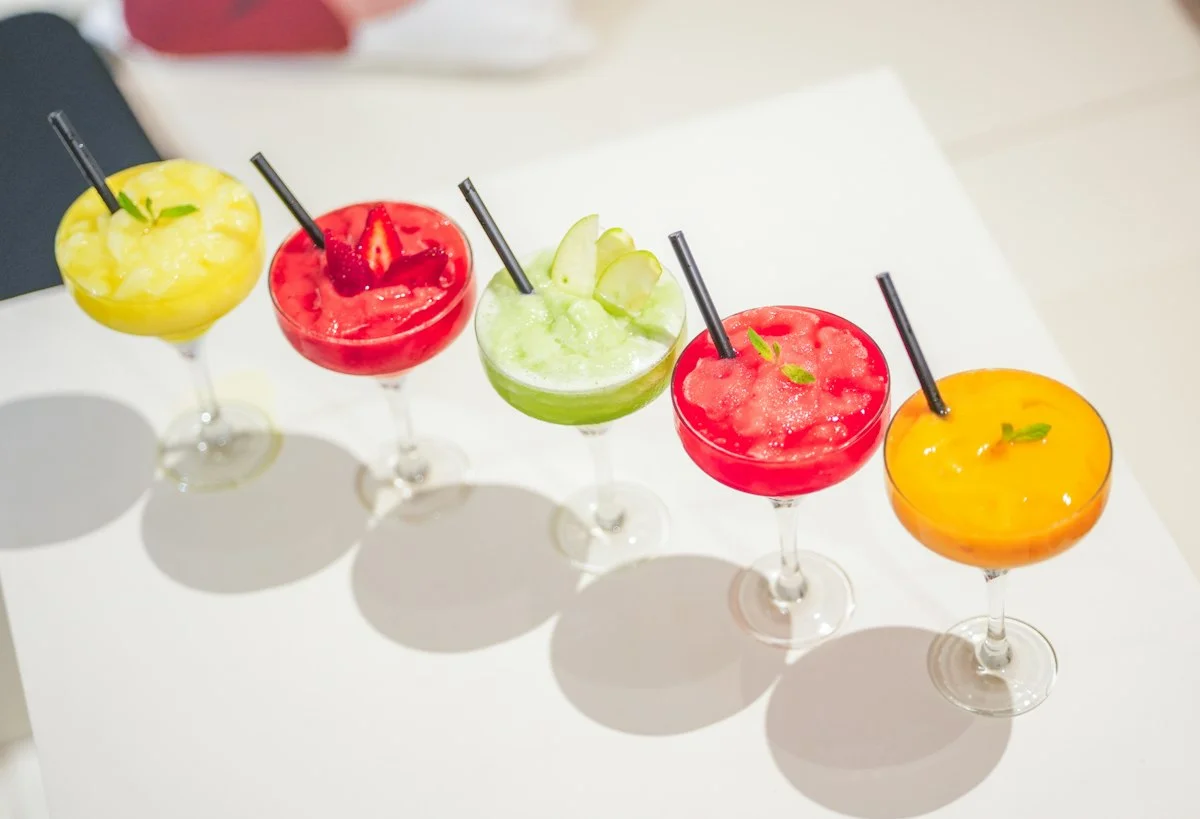
Cocktail glasses include a wide range of shapes: coupes, Nick and Nora glasses, martini glasses, mixing glasses, and delicate cordial glasses. Sort them before packing. Broad bowls, narrow stems, and thin rims should not be mixed casually with heavy tumblers.
For sturdy stemless cocktail glasses, use the basic wrapping method. For coupes, martini glasses, and other stemmed pieces, follow the stemware method below. If a mixing glass is especially heavy, pack it like a decanter: separately, with extra protection around the rim and base.
How to wrap wine glasses for moving
When learning how to wrap wine glasses for moving, focus on supporting three vulnerable areas: the bowl, the stem, and the rim. A wine glass should be wrapped as one supported unit, not simply covered in a loose layer of paper.
- Start with clean, dry glasses. Moisture left in a wrapped glass can make paper weak and messy.
- Place the glass at an angle on several sheets of packing paper.
- Fold paper around the stem first, creating a padded sleeve that keeps it from bending against the bowl or base.
- Tuck a small amount of paper into the bowl without forcing it against the rim.
- Roll the glass across the paper, keeping the stem supported as the bowl becomes wrapped.
- Fold and secure the paper around the base so the entire piece feels snug but not tightly compressed.
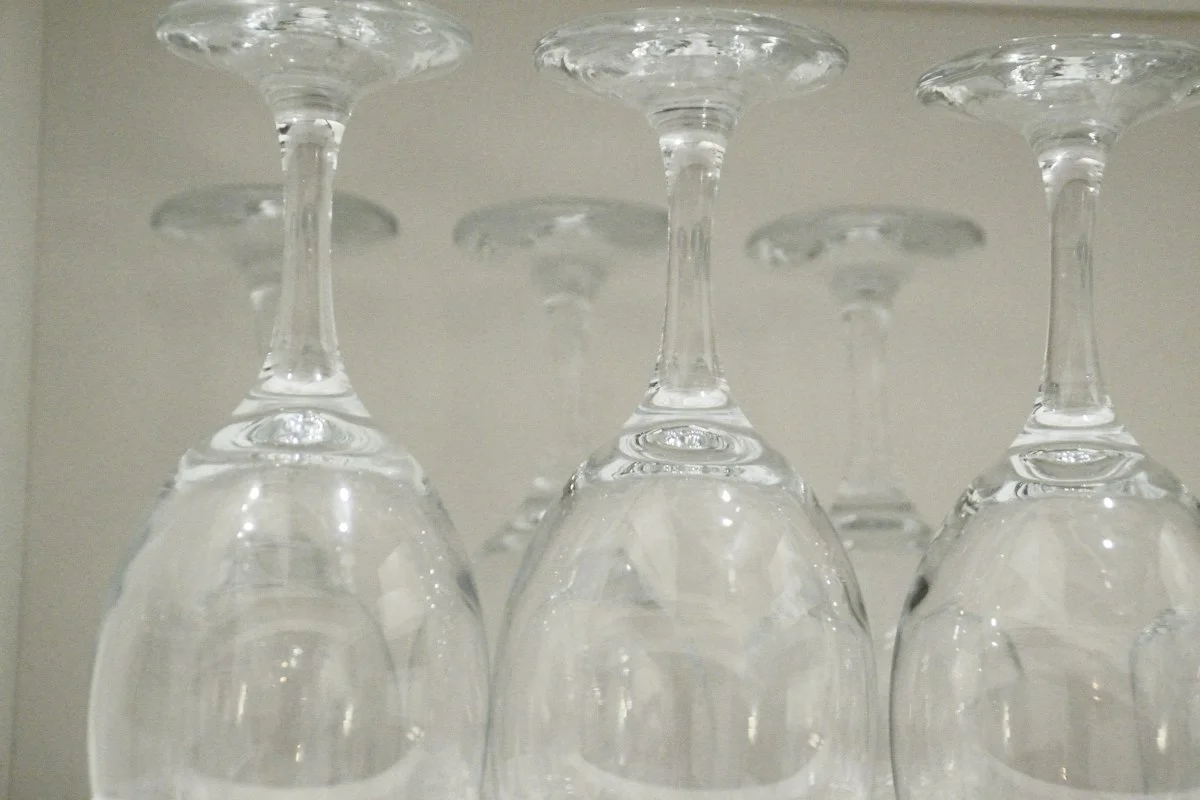
Pack wrapped wine glasses upright in divided compartments or close together in a paper-lined box. Keep all stems at roughly the same height within a layer. Fill spaces between bundles with crumpled paper so the glasses cannot lean, rattle, or settle during transport.
How to pack stemware in boxes
Stemware includes wine glasses, champagne flutes, coupes, cordial glasses, and any piece with a narrow stem joining a bowl to a foot. Use a dedicated small box whenever possible.
Build one level at a time. After the first layer is packed, add a protective sheet of cardboard or a thick layer of crumpled paper before beginning another layer. Do not place a heavy glass, bottle, shaker, or bar tool on top of stemware.
Label the carton on more than one side with both the room and the handling note: “Kitchen—Stemware—Fragile—This Side Up.” Labels do not make a box invincible, but they give movers and helpers useful information before lifting it.
Pack stacked tumblers individually
It is tempting to stack matching tumblers before wrapping them, especially when packing a large cabinet. Do not do this. Nested glasses can become wedged together, and pressure on one rim transfers directly to the glass inside it.
Wrap each tumbler on its own. If storage space requires nesting before the move, place a generous layer of paper between every glass, then wrap the entire stack securely. Individual wrapping remains the safer option.
Pack decanters, carafes, and unusual shapes separately
Decanters and carafes are difficult because their weight is often concentrated in a wide base while the neck remains exposed. Empty and dry them fully first. Remove a stopper if it comes out easily, wrap it separately, and label it so it stays with the decanter.
Wrap the neck and stopper area first, then build extra cushioning around the base and shoulders. Use bubble wrap as an outer layer if the decanter is thin, ornate, or particularly important. Pack it alone in a small box, or place it in the center of a larger box surrounded by soft paper on all sides.
Never use a decanter box to fill empty space with heavy bar tools, bottles, or candleholders.
Give sentimental and irreplaceable pieces their own plan
A family champagne coupe, a handmade cocktail glass, or a rare souvenir may deserve more protection than its market value suggests. Wrap these pieces with extra layers, use a smaller box, and carry the box yourself if practical.
Take a quick photo of special pieces before packing. This is useful for remembering how a set was arranged, identifying a missing item while unpacking, and documenting the condition of pieces that matter to you.
Fill gaps and close the box correctly
Once a box is packed, gently press crumpled paper into open spaces around the glasses. Add a final thick layer of paper on top before closing the flaps. When you lightly shake the sealed box, you should not hear clinking or feel objects shifting.
If there is movement, reopen the box and add more cushioning. A box should be full enough to prevent motion but not packed so tightly that pressure bears down on rims, stems, or delicate bowls.
Write the contents clearly on the outside. Instead of only writing “Fragile,” use a useful label such as “Bar—Rocks Glasses,” “Dining—Wine Stems,” or “Kitchen—Coupes.” Include an arrow showing the intended upright side.
A sensible loading and unpacking order
Load glassware boxes late in the moving vehicle, keeping them upright on a flat surface. Do not place them beneath furniture, dense book boxes, or appliances. Avoid leaving glassware loose in a car trunk where it can slide or tip.
At the new home, unpack the most frequently used pieces first: water glasses, everyday tumblers, wine glasses, and a few basic cocktail glasses. Leave specialty pieces wrapped until shelves and cabinets are clean, dry, and ready. Unpacking directly into a planned cabinet is safer than repeatedly moving loose glasses from counter to counter.
Common glassware packing mistakes
- Using oversized boxes that become too heavy to control
- Packing unwrapped glasses so they touch one another
- Filling a box with glassware but leaving open space at the top or sides
- Placing heavy rocks glasses over wine stems or coupes
- Stacking glasses inside one another without paper between them
- Treating cardboard dividers as the only protection needed
- Packing wet glasses or decanters
- Labeling every carton only as “fragile,” without identifying its contents
The best moving glassware packing tips are usually the least complicated: separate fragile types, wrap each piece, keep the box compact, and eliminate movement. A carefully packed box may take a little longer to prepare, but it protects the collection you have already chosen and makes setting up the new bar far less chaotic.