
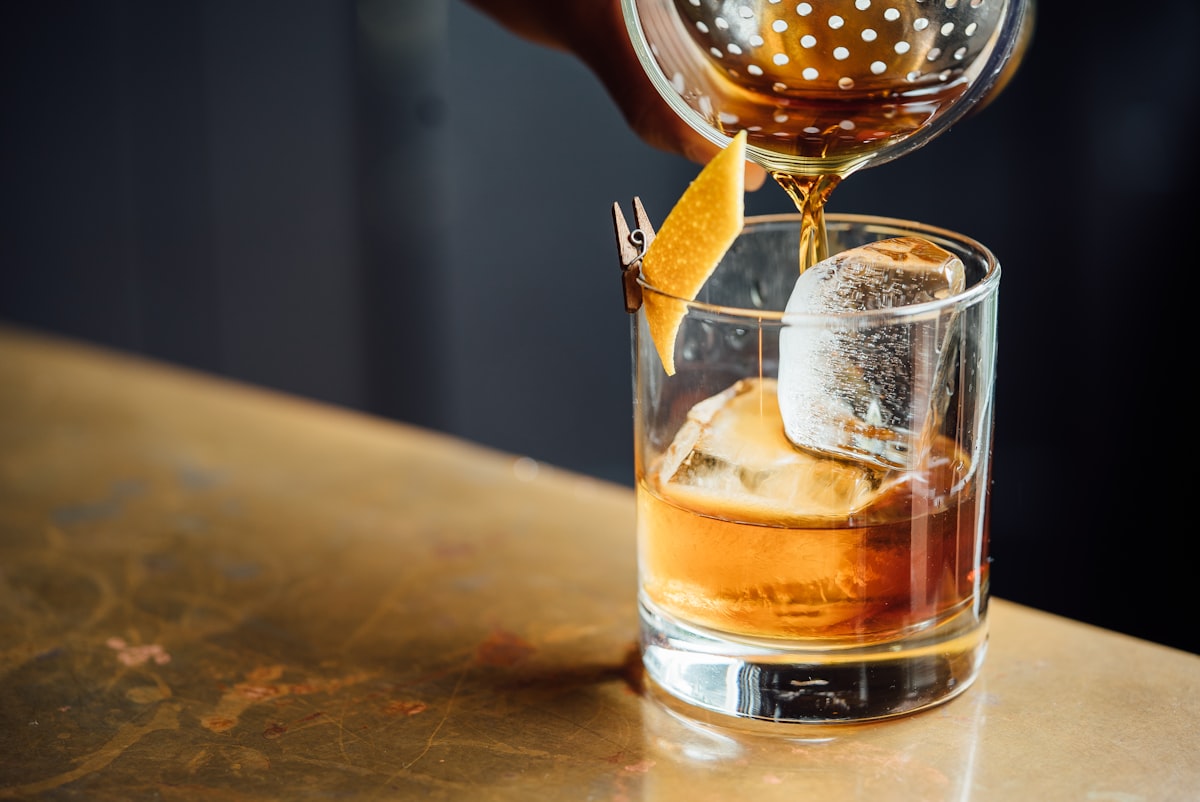
A better home bar does not begin with a shopping list. It begins with editing. Most crowded carts and cabinets have the same problem: too many bottles, too many novelty tools, and not enough thought about the few things that make drinks easier to serve well. Bar6 starts from a smaller premise. You need six essentials, and each one should earn its place.
The first essential is the glass. You do not need a full restaurant shelf. A rocks glass, a highball, and one stemmed option will cover most evenings. Choose shapes that feel good in the hand, stack or store cleanly, and make a drink look intentional without demanding a special occasion.
The second essential is the kit. Start with a shaker, jigger, strainer, and bar spoon. The point is not to imitate a professional station. The point is to measure, chill, stir, and strain without improvising every time someone asks for a drink.
The third essential is the chill. Ice is not decoration. It controls dilution, texture, and pace. A simple freezer plan, a reliable tray, and a small place to hold finished ice will do more for your drinks than another bottle you rarely open.
The home bar improves when every object has a job before it has a style.
The fourth essential is the cart, or whatever storage system your home can actually support. A cabinet shelf can be better than a cart if it keeps tools together and surfaces clear. Good storage makes hosting quieter because you are not searching while guests are waiting.
The fifth essential is the pour. Mixers, bitters, citrus, soda, tonic, and non-alcoholic options make the bar useful for more people. This is where many home bars become more generous. A thoughtful mocktail setup is not a compromise; it is part of good hosting.
The sixth essential is the room. Lighting, music, water, napkins, and a place for finished glasses shape the evening as much as any recipe. A home bar is not only a set of objects. It is a small service area inside a room where people are meant to relax.
When these six pieces work together, the bar feels complete without feeling full. You can still add favorite bottles, seasonal mixers, or better glassware over time. But those additions become choices, not clutter. Start with the six. Keep what helps. Let the rest go.
If you want a practical buying order, start with measurement and temperature. A jigger, a shaker or mixing glass, enough clean ice, and two glass shapes will change more drinks than a rare bottle. Then add storage: a tray, shelf, cabinet, or cart that keeps the tools together and keeps open bottles away from heat and direct sun. Wine and vermouth deserve extra attention because heat, light, and oxygen change them faster than most people expect.
The useful home bar is also inclusive. Keep at least two non-alcoholic paths on hand: a citrus-and-soda drink and a bitter-or-spiced drink. That small choice means guests do not have to explain why they are not drinking alcohol, and it keeps the bar from becoming a narrow performance of cocktail knowledge.
Finally, judge every addition by repetition. If you use it three times in a month, it belongs. If it only makes the cart look fuller, it probably belongs somewhere else.
Further reading: Allrecipes on home bar essentials, Decanter on home bar basics, and Food & Wine on storage mistakes.
