Why Mayonnaise Works for Browning
If you want deep golden-brown color and crisp texture on roasted chicken, toast, or roasted vegetables without reaching for an egg wash or extra oil, mayonnaise is the unexpected tool already in your fridge. The secret lies in its composition: mayonnaise is a stable emulsion of oil and egg yolks, held together by acid (vinegar or lemon juice) and seasonings. When heated, the oil helps conduct heat evenly and promotes the Maillard reaction—the chemical process that creates browning and savory flavor. The egg yolks add proteins that brown quickly, giving food that rich color. The water in the mayo evaporates, leaving the fat behind to crisp the surface.
How to Use Mayonnaise for Browned Chicken
Direct Method
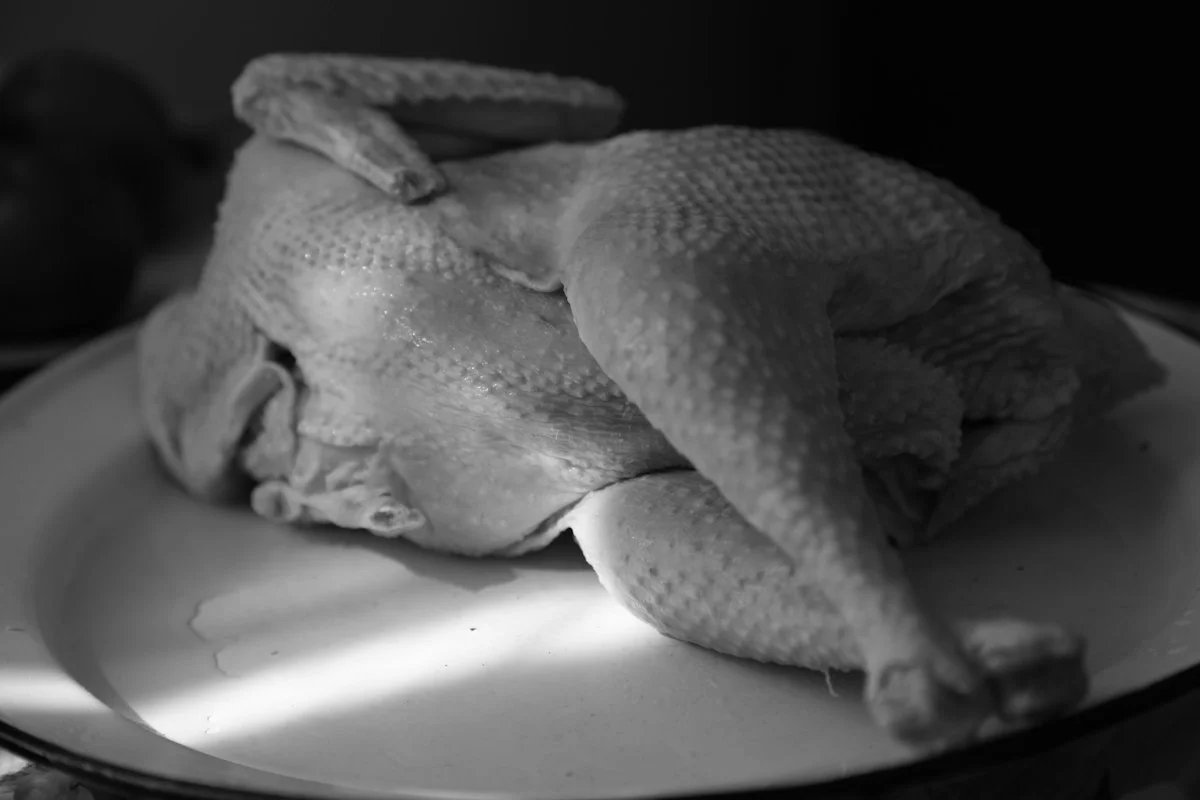
- Pat the chicken pieces dry with paper towels. Moisture is the enemy of browning; dry skin ensures the mayo clings and sears.
- Spread a thin, even layer of mayonnaise over the skin using a brush or your hands. You don’t need a thick coat—about 1 to 2 tablespoons per whole chicken or per 2 pounds of thighs/drumsticks is plenty.
- Season as usual with salt, pepper, and any herbs or spices. The mayo is neutral enough to allow other flavors to come through.
- Roast in a preheated oven (typically 375–425°F) or sear in a hot pan. The mayo will melt and form a shattery crust as the chicken cooks.
Why it works: The oil in mayonnaise helps transfer heat directly to the skin, while the egg proteins set into a thin, golden crust. Because mayo spreads more evenly than plain oil, you get consistent browning without pooling or splattering. The result is a deeply browned exterior and moist meat underneath.
Mistakes to avoid:
- Using too much mayo. A thick layer can turn greasy and prevent crispness.
- Applying mayo to wet chicken. Always pat dry first.
- Cooking at too low a temperature. The Maillard reaction requires heat above about 300°F; a moderate oven (375°F and up) is ideal for chicken.
Alternatives: If you prefer a dairy-based option, melted butter works similarly but lacks the egg-protein boost. A classic egg wash (egg beaten with water or milk) can also brown but is thinner and may drip off. Mayonnaise is more forgiving because its thickness stays in place.
How to Use Mayonnaise for Toast and Grilled Cheese
Using mayo instead of butter on bread before toasting or pan-frying has become a common trick for a reason: it spreads easily, doesn’t burn as quickly as butter, and yields a remarkably uniform golden-brown crust with a faint tang.
Direct Method for Toast
- Spread a very thin layer of mayonnaise on one side of each bread slice. Use about ½ teaspoon per slice.
- Place the bread mayo-side down in a hot skillet or under the broiler.
- Cook until deep golden brown, then flip if desired.
Why it works: The egg proteins in mayo brown at a slightly lower temperature than the sugars in butter, giving you color faster and reducing the risk of burnt edges. The oil in the emulsion prevents the bread from soaking up too much fat, so the interior stays soft while the outside crisps.
Mistakes to avoid:
- Spreading too thickly; the bread can become greasy.
- Using sweetened mayo varieties (like those with honey or added sugar) – these can caramelize too quickly and burn.
Variations for grilled cheese: Smear mayonnaise on the outside of the bread instead of butter. The resulting crust is exceptionally crisp with a subtle savory note that complements the cheese. You can also mix a pinch of garlic powder or paprika into the mayonnaise before spreading for extra flavor.
How to Use Mayonnaise for Roasted Vegetables
Roasted vegetables like broccoli, cauliflower, carrots, or potatoes benefit from the same principle: an even coating of fat and protein for browning without the need for oil and separate seasoning.
Direct Method
- Cut vegetables into uniform pieces (about 1–2 inches) for even cooking.
- In a bowl, toss the vegetables with mayonnaise – roughly 1 to 2 tablespoons per pound of vegetables. Use enough to lightly coat each piece.
- Add salt and any spices or herbs (e.g., paprika, garlic powder, rosemary). Toss again.
- Spread in a single layer on a baking sheet. Roast at 400–425°F until tender and deeply browned, typically 20–40 minutes depending on the vegetable.
Why it works: The mayonnaise clings to the uneven surfaces of vegetables better than oil, ensuring every nook gets exposed to heat and browning. The egg proteins help create a thin, crunchy crust on the outside while the interior steams and becomes tender.
Mistakes to avoid:
- Overcrowding the pan. If vegetables overlap, they steam instead of brown.
- Using low-fat or “light” mayonnaise. These contain more water and less fat, which can lead to steaming rather than browning. Full-fat mayonnaise is best.
- Not tossing halfway through. For even color, stir the vegetables once during roasting.
Alternatives: A mixture of olive oil and an egg white can mimic some of the effect, but mayonnaise is simpler and provides a more stable emulsion. If you don’t have mayo, you can use a vinaigrette made with oil and egg yolk, but it’s less convenient.
Safety Considerations
Mayonnaise is safe to use as a cooking ingredient as long as you follow standard food safety practices. The egg yolks in commercial mayonnaise are pasteurized, and the high oven or stovetop temperatures used for browning will kill any potential pathogens. Always cook chicken to a safe internal temperature (165°F as recommended by the USDA) regardless of the browning method. For vegetables, no specific temperature concerns exist beyond usual produce handling.
The Bottom Line
Mayonnaise is a reliable, practical shortcut for achieving consistent browning on chicken, bread, and vegetables. Its oil-and-egg composition provides superior heat conduction and protein-driven color without requiring extra steps. Keep a jar in your fridge not just for sandwiches but for your next batch of roast chicken, grilled cheese, or sheet-pan vegetables. You may find that its emulsion is one of the most versatile tools in your kitchen.


