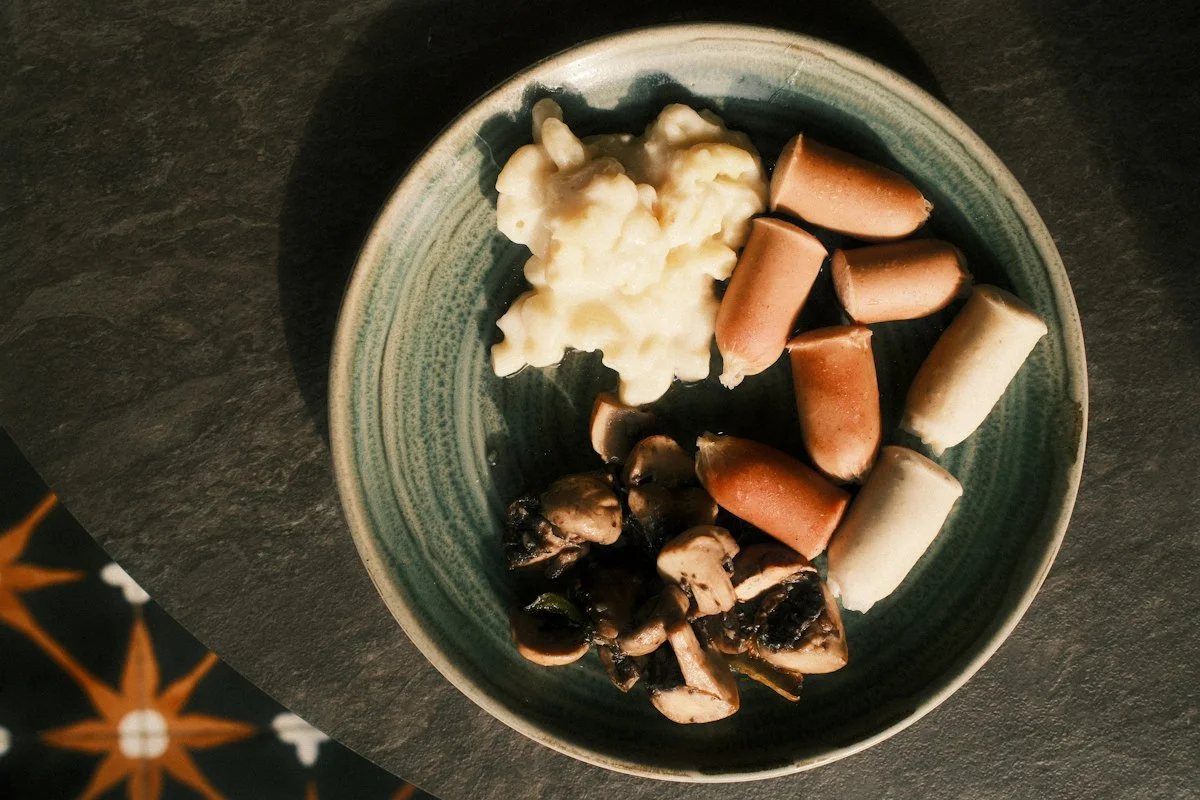

The most reliable way to keep mashed potatoes warm for a party is to make them slightly looser than you plan to serve them, fold in enough butter or warm dairy, and hold them covered over gentle heat. For most home kitchens, a slow cooker is the easiest option for a long hold. A covered pot works well for a shorter interval, while a double boiler gives you the best control if you are worried about scorching.
The main enemy is not time alone. It is heat that is too strong, an uncovered surface, or potatoes that were already too stiff before holding. Mashed potatoes continue to firm up as they sit, so the finishing step should include a stir, a check of the texture, and a small addition of warm butter, milk, cream, or stock if needed.
Choose the holding method first
Slow cooker: best for a long, low-attention hold
A slow cooker is usually the most practical answer for a holiday meal or dinner party because it provides steady, gentle heat and keeps the potatoes out of the way on the stove.
Transfer the finished potatoes to the cooker while they are hot. Smooth the top, add a few pieces of butter or a thin layer of cream, and cover. Use the cooker’s gentlest setting that keeps the potatoes hot; appliances vary, so avoid treating the dial as a precise temperature guarantee.
Stir occasionally, scraping the sides and bottom. If the potatoes begin to look stiff, fold in a little warm dairy rather than turning up the heat. If they seem loose, keep the lid on and give them time to settle before adding anything else.
This method suits make-ahead mashed potatoes when the rest of the meal is competing for oven and stovetop space. Its drawback is that an overfilled or overly hot cooker can dry the edges and make the bottom stick.
Covered pot: best for a short interval
If you only need to bridge the gap between cooking and serving, a heavy pot with a tight lid may be all you need. Move the potatoes off direct heat once they are finished, cover them, and keep them in a warm part of the kitchen. For a longer hold, use the lowest possible burner setting and stir from time to time.
A heavy-bottomed pot helps distribute heat, but it cannot prevent scorching if the burner is too strong. This is a good method when you are serving soon and want the potatoes close to the stove, but it requires more attention than a slow cooker.
Double boiler: best for gentle, controlled reheating
A double boiler separates the potatoes from direct burner heat. Set the mashed potatoes in a heatproof bowl over gently steaming water, making sure the bottom of the bowl does not touch the water. Cover the bowl if possible and stir occasionally.
This approach is especially useful for reheating potatoes made ahead. The indirect heat gives you more time to add dairy and correct the texture without rapidly drying the bottom. Do not let the lower pan boil aggressively, and watch for condensation from the lid dripping back into the potatoes.
Insulated serving dish: best for a brief hold
A prewarmed, insulated serving bowl or covered casserole can keep mashed potatoes pleasant while guests sit down, but it is not a replacement for an active heat source over a long period. Warm the dish with hot water, dry it thoroughly, then add the potatoes and cover them well.
This method works when the potatoes are already at serving temperature and dinner is moving promptly. It is less suitable when the meal timing is uncertain.
Make the potatoes hold better from the start
Texture begins with the initial mash. Cook the potatoes until tender, drain them well, and let excess moisture escape briefly before mashing. Use a potato masher or ricer rather than a blender or food processor, which can overwork the starch and make the potatoes gluey.
Warm the butter and dairy before adding them. Cold liquid can cool the potatoes and encourage you to stir more than necessary. Add the liquid gradually, stopping when the potatoes are creamy but still a little softer than your final target.
For a party, butter is useful not only for flavor but also for protecting the surface during holding. A few pieces placed on top beneath the lid can melt into the potatoes as they wait. A thin layer of cream or milk can serve the same purpose, though it should be stirred in before serving rather than left as a separate watery layer.
A practical make-ahead schedule
You can prepare mashed potatoes ahead, but the final reheating should be treated as part of the recipe rather than an afterthought.
- Make the potatoes and mash them until creamy, keeping the texture slightly loose.
- Transfer them to your chosen holding vessel and cover tightly.
- Reheat gently, stirring occasionally.
- Before serving, taste and adjust with warm butter, cream, milk, or stock.
- Give the potatoes one final gentle stir and move them to the serving dish.
If the potatoes are refrigerated before reheating, they will be firmer and may reheat unevenly. Break them up before warming and add dairy gradually. Avoid using high heat to hurry the process; the outside can dry or scorch before the center is hot.
How to fix common problems
The potatoes are dry or stiff
Add warm dairy a little at a time and fold gently. Butter can restore richness, while milk, cream, or stock loosens the texture. Cover the potatoes again so the surface does not continue to dry.
The potatoes are watery
First, stir and wait. Sometimes liquid has simply separated during holding. If the texture remains loose, transfer the potatoes to a wider vessel and warm them gently uncovered for a short period, stirring carefully. Avoid adding more starch unless you are certain the potatoes need it; extra mixing can make them heavy or gluey.
The bottom is sticking
Move the potatoes to a cooler vessel immediately and leave the stuck layer behind. Do not scrape scorched bits into the rest. Lower the heat and add warm dairy only after the potatoes are no longer directly exposed to the hot surface.
The potatoes are gluey
There is no perfect reversal once the starch has been overworked. Stop stirring, add butter or warm dairy if the potatoes are tight, and accept a softer, richer texture rather than continuing to beat them smooth.
Holding potatoes safely
Mashed potatoes are a perishable cooked food. Keep them hot during service, avoid leaving them sitting at room temperature, and refrigerate leftovers promptly according to current guidance from an official food-safety authority. Because appliances and local recommendations vary, verify the appropriate holding temperature, cooling procedure, and storage time with the USDA, FDA, or your local health department.
Use a clean serving spoon, replace the lid whenever possible, and do not repeatedly mix a fresh batch into potatoes that have been sitting out. If you are serving a large crowd, divide the potatoes between two vessels so one container is not opened and stirred constantly.
The simplest recommendation
For most parties, make the potatoes slightly loose, hold them covered in a slow cooker on its gentlest setting, and keep warm dairy nearby for the final adjustment. Use a covered pot when serving soon, a double boiler when reheating requires extra control, and an insulated dish only for a brief trip from kitchen to table. Gentle heat, a covered surface, and minimal stirring will do more to protect creamy mashed potatoes than any complicated trick.