A good beer flight at home does not require special equipment. Choose four to six beers, pour small samples into compatible glasses, label each one, and serve them from lighter and more delicate styles to darker, stronger, or more intensely flavored beers. Keep water and a plain palate cleanser nearby, and treat the flight as a tasting rather than a series of full drinks.
The simplest setup uses one small glass per beer, a tray or board, tasting cards, water, and a place to discard unfinished samples. If you do not have tasting glasses, use small clean tumblers or identical stemless glasses. Consistency matters more than specialized shapes.
Start with a manageable flight
For most home tastings, four or five beers are enough to compare without overwhelming the table. Six can work for a group that wants more variety, but a longer flight may become tiring, especially when the beers differ substantially in strength or bitterness.
A useful flight might include:
- A light lager or wheat beer
- A pale ale or saison
- An IPA or other more bitter beer
- A porter or stout
- A strong ale, barrel-aged beer, or other rich specialty pour
You do not need to cover every category. A focused flight can be more revealing: compare several lagers, different interpretations of one hop-forward style, or beers from the same brewery. The goal is to make differences easy to notice, not to create the largest possible lineup.
How many beers in a flight?
Four to six beers is a practical range for a home beer flight. Use fewer samples when the pours are generous, the beers are strong, or the group includes people who are not accustomed to tasting several alcoholic drinks. You can also include one nonalcoholic beer so guests have another option and a useful point of comparison.
Before pouring, note the alcohol content on each label. Small samples add up, and tasting several beers can make it difficult to judge how much alcohol each guest has consumed. Offer a nonalcoholic alternative, water, and food, and make sure anyone drinking has a safe plan for getting home. Guests should never drive after drinking.
Choose glasses for function, not display
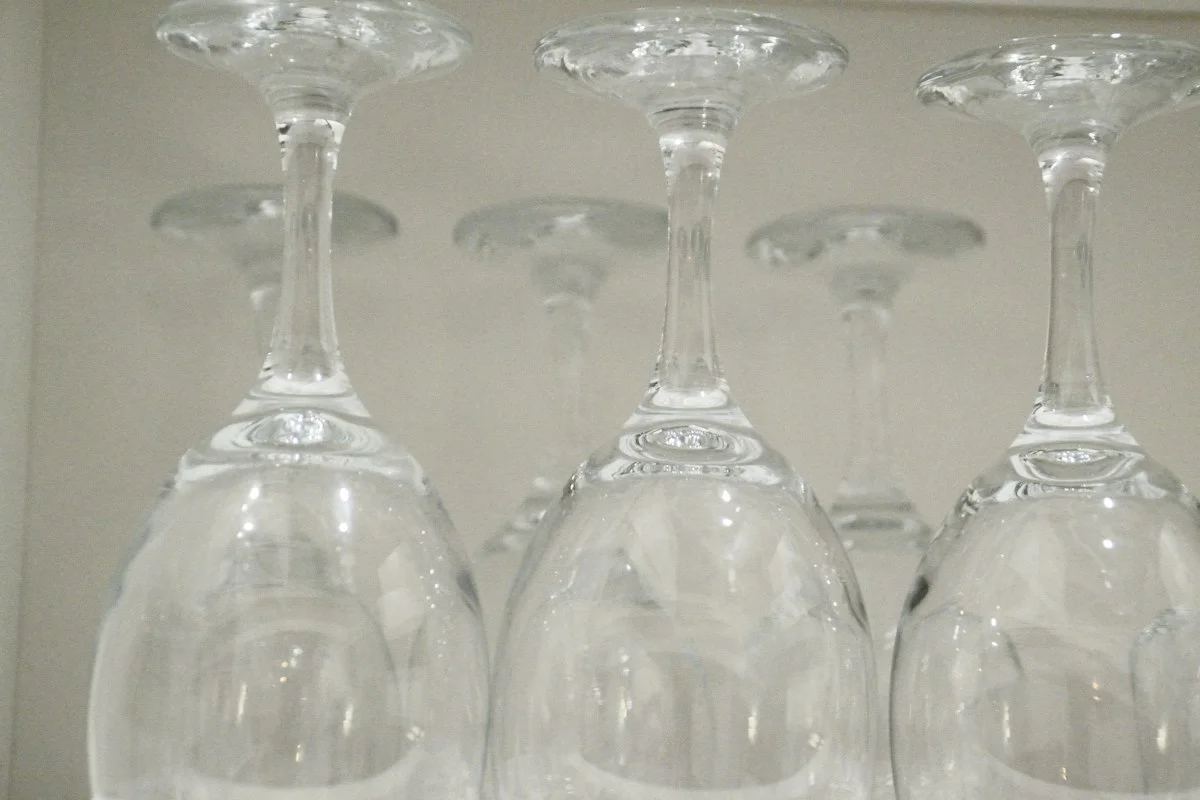
The best beer flight glass is clean, stable, and large enough to let guests smell the beer without filling it to the rim. Small tulip glasses, tasting glasses, wine glasses, and compact tumblers can all work.
If you have several glass styles, match the glass to the beer when it is genuinely useful. A curved glass can help concentrate aromas in a fragrant beer, while a simple straight-sided glass makes a neutral comparison vessel. For a mixed flight, using the same glass for every sample is often the clearest approach because the shape will not become another variable.
Avoid using glasses that carry strong soap, detergent, food, or perfume aromas. Rinse them thoroughly and let them drain before pouring. A greasy or poorly rinsed glass can flatten foam and interfere with aroma.
Beer flight glass sizes
Small tasting pours are usually enough. As a working guide, pour about 2 to 3 fluid ounces per beer for a flight. Use the smaller end for higher-alcohol beers or a longer lineup, and the larger end when the flight is short and the beers are relatively light.
Leave some room above the beer so guests can swirl gently and smell it. Do not fill the glass to the brim. A little head is useful because it carries aroma, but an excessive pour makes comparison harder and increases waste.
If you are serving a group, calculate the total amount before opening bottles or cans. A single package may not provide enough for every guest, particularly if you are pouring several samples per person. It is better to plan modest pours and have a little extra available than to pour large samples that go unfinished.
Arrange the beer tasting order
The usual beer tasting order moves from lighter and more delicate beers to stronger and more assertive ones. This keeps a heavily roasted, sweet, sour, smoky, or bitter beer from dominating the palate before gentler beers are tasted.
A dependable sequence is:
- Light lager, pilsner, or other delicate beer
- Wheat beer, kölsch, or saison
- Pale ale or moderately bitter beer
- IPA or another strongly hopped beer
- Porter, stout, or dark malt-driven beer
- Strong, sweet, sour, smoky, or barrel-aged beer
That order is a starting point rather than a strict rule. If you are comparing one style across several breweries, keep that style together and arrange the beers from restrained to more intense. Place especially sour or strongly flavored beers later unless the entire tasting is built around them.
The most important rule is to avoid starting with the beer most likely to coat the palate. Strong bitterness, sweetness, acidity, alcohol warmth, smoke, and heavy roast can make subsequent samples seem muted or unbalanced.
Label every sample
Number the glasses from one onward instead of relying on guests to remember names. Put a matching list on the table with the beer’s name, brewery, style, and alcohol content. You can reveal the details at the start, or use a partially blind tasting if the group enjoys guessing.
A simple tasting card can include five prompts:
- Appearance: color, clarity, and foam
- Aroma: malt, hops, fruit, spice, roast, or other notes
- Flavor: the main impressions on the first sip
- Body: light, medium, full, dry, creamy, or crisp
- Finish: short, bitter, sweet, tart, warming, or lingering
Encourage guests to taste before discussing. That keeps the conversation from turning into a search for the “correct” answer. Different people may notice different aromas, and a home flight is more useful when it encourages comparison rather than performance.
Add water and simple palate cleansers
Set out water for the entire tasting, not just at the end. A plain, unsalted food is usually the least distracting palate cleanser. Plain crackers, mild bread, or unsalted pretzels can work well. Avoid strongly seasoned snacks, spicy foods, very sweet desserts, and heavily flavored dips during the main comparison because they can overpower the beer.
Food should support the tasting without turning it into another flight of flavors. If the beer is being served as part of a meal, you can switch from structured tasting to casual drinking after the comparisons are complete.
A no-special-equipment setup
You can set up a beer flight with items already in the kitchen:
- Small clean tumblers or juice glasses
- A tray, plate, or cutting board
- Paper strips and a pen for numbers
- A pitcher or glasses of water
- Plain crackers or bread
- An empty container for unfinished pours
- A bowl or towel for spills
Serve the glasses in a straight line or a shallow arc, with the lightest beer on the left if that matches the tasting order. Keep the reference list beside the flight. A tray makes it easier to carry everything at once, but it is not essential.
Do not reuse a glass for a different beer unless you rinse it well and allow excess water to drain. Residual beer can affect aroma and flavor, particularly when moving from a delicate beer to a strong one.
Common mistakes to avoid
Pouring full glasses
A flight is meant to provide comparison samples. Full pours increase waste and can turn a tasting into several drinks before guests have had time to evaluate them.
Serving the strongest beer first
A rich or intensely bitter beer can make the rest of the lineup seem thin. Begin with the most restrained sample and build intensity gradually.
Using too many beers
A large lineup sounds generous but can be difficult to follow. Keep the flight focused, or divide a longer list into two separate rounds with a break between them.
Hiding the labels
Mystery tastings can be fun, but guests still need a numbered key eventually. Without one, it becomes difficult to compare a beer after the glass has been moved.
Forgetting non-drinking guests
Offer water, food, nonalcoholic beer, or another alcohol-free drink from the beginning. Anyone who is pregnant, taking medication, avoiding alcohol, or simply not interested should have an easy alternative without needing to explain the choice.
A practical home beer flight checklist
Before guests arrive, confirm that you have:
- Four to six beers with a clear tasting order
- One clean glass per sample for each guest, or a rinsing plan
- Small sample pours rather than full servings
- Numbered labels and a beer list
- Water and mild palate cleansers
- A way to discard unfinished beer
- Food and nonalcoholic options
- A safe transportation plan for anyone drinking
Set the first flight out shortly before tasting, rather than leaving every beer poured for an extended period. Open and pour in batches if needed, especially when serving a larger group. Keep the pace relaxed, and let guests return to a sample after they have tasted the others.
The best beer flight at home is controlled enough to make comparison easy and informal enough for people to enjoy themselves. A few compatible glasses, modest pours, a sensible order, and clear labels will do more for the experience than a collection of specialty gear.