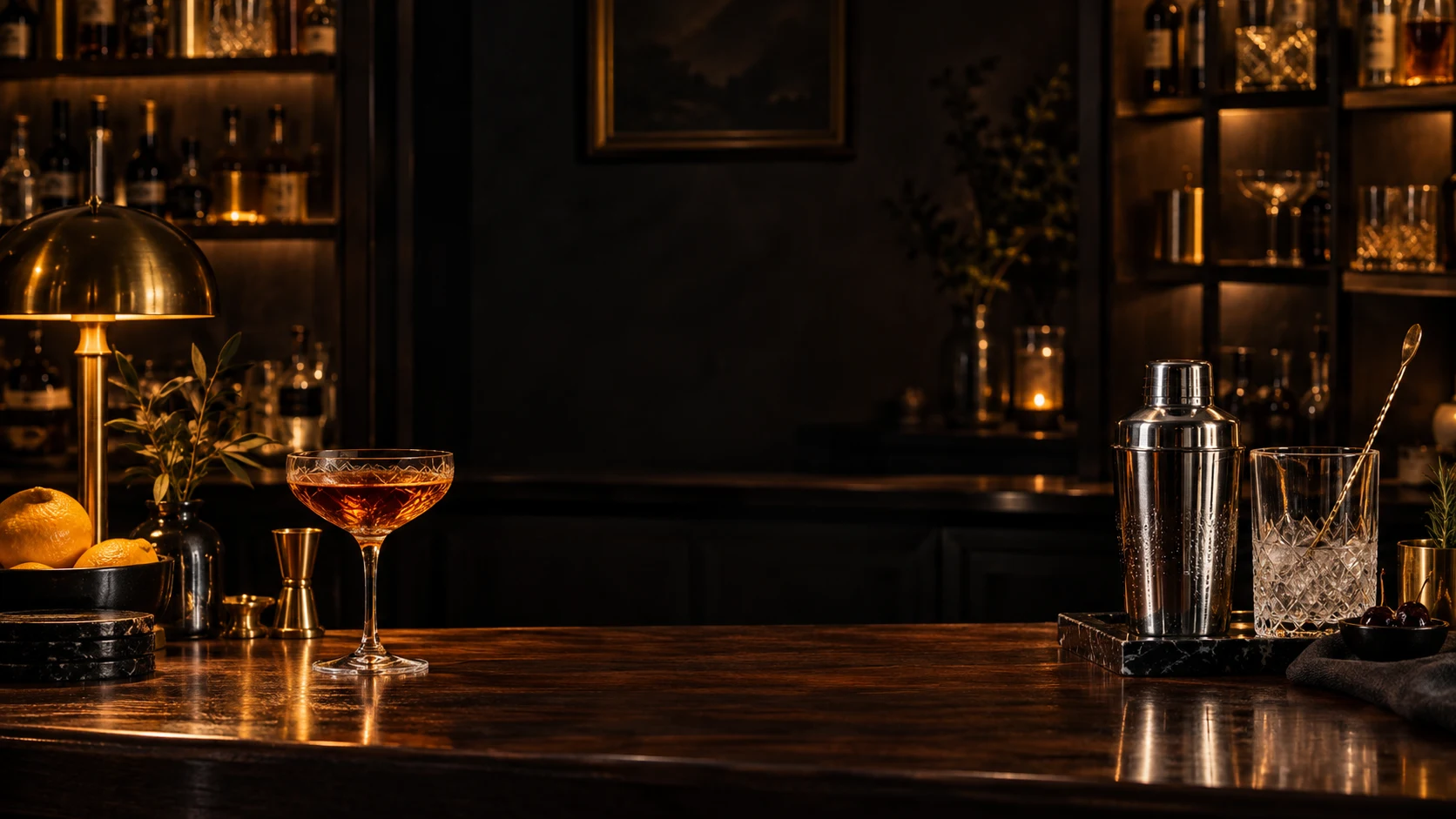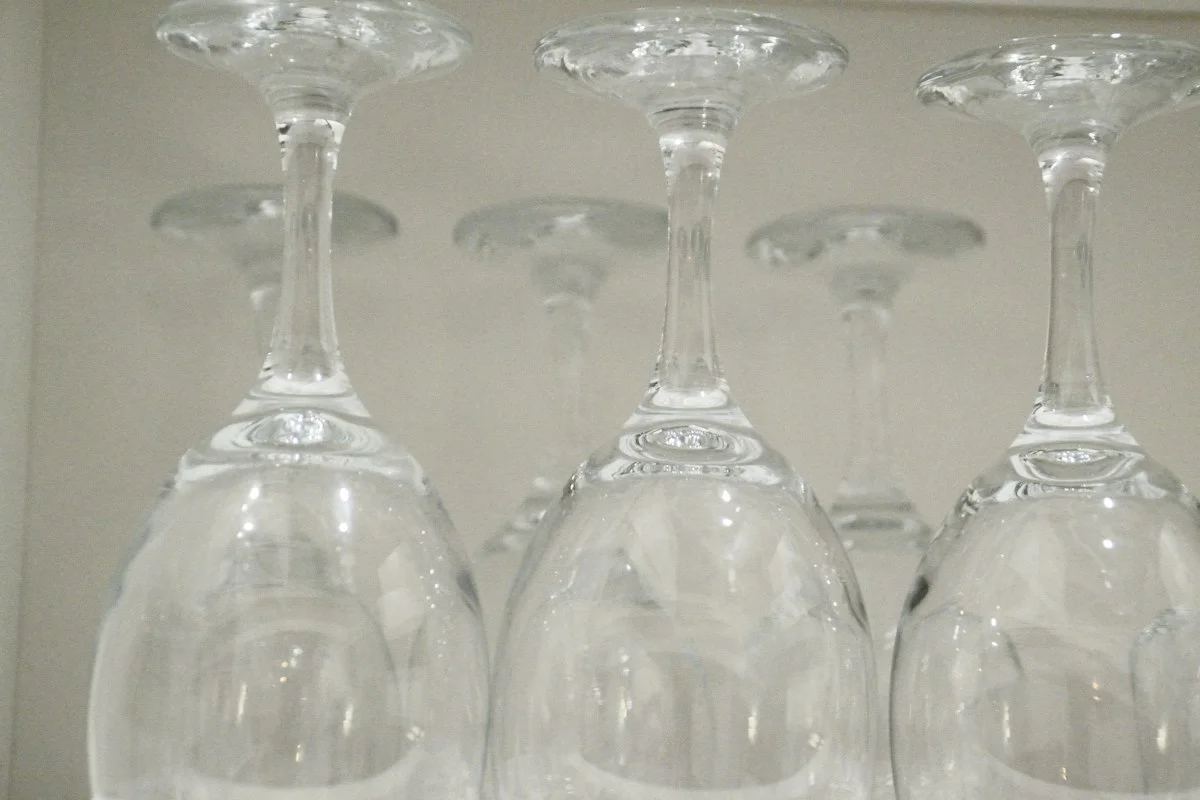

A snifter glass is a short-stemmed glass with a broad, rounded bowl and a narrower opening. It is best known for serving brandy and cognac, but it can also suit other aromatic spirits, select beers, and some whiskeys. Its shape is designed to gather aromas above the drink while giving your hand a way to warm the bowl gently.
It is not a required glass for enjoying any of these drinks. A snifter can be useful when aroma is the focus, but a rocks glass, tulip glass, or wine glass may be just as practical depending on the drink and the setting.
What is a snifter glass?
The traditional snifter has four recognizable features:
- A wide bowl: The broad lower section provides room for the drink’s aromas to collect.
- A narrow opening: The rim concentrates those aromas toward your nose.
- A short stem: It keeps the bowl raised slightly while still allowing the drink to be held in the hand.
- A stable foot: The base gives the glass a low, steady center of gravity.
The bowl is usually much wider than the rim, which gives the glass its rounded, almost balloon-like appearance. The design makes the glass feel intimate and aromatic rather than brisk and refreshing.
A snifter is sometimes called a brandy snifter because brandy is its classic pairing. The names are often used interchangeably, although individual glasses vary considerably in size and shape.
What is a snifter glass used for?
Brandy and cognac
Brandy is the traditional choice. The bowl gives fruit, oak, spice, and dried-fruit aromas space to develop, while the narrow opening keeps them close to the drink. Cognac and other aged brandies are commonly served neat in a snifter, usually at room temperature or only lightly cooled.
Pour less than you might expect. A modest pour leaves room in the bowl for swirling and keeps the glass from becoming difficult to handle. The drink should sit comfortably in the lower part of the bowl rather than filling it close to the rim.
Aromatic spirits
A snifter can work well with spirits whose character is strongly expressed through aroma. Aged rum, some fruit brandies, and certain herbal or spiced spirits may be enjoyable in one. The important question is not whether a bottle is expensive or old; it is whether smelling the drink adds something to the experience.
Serve the spirit neat first. If it seems too intense, add a small amount of water or move the drink to a more open glass. The snifter should help you notice the drink, not make it feel formal or difficult.
Whiskey
A snifter glass for whiskey is a reasonable choice when you want to emphasize aroma, especially with a whiskey served neat. Its rounded bowl can highlight grain, oak, fruit, smoke, and spice.
However, it is not automatically the best whiskey glass. The wide bowl can make a high-proof whiskey feel concentrated, and the short stem encourages you to warm the drink with your hand. A tulip-shaped whiskey glass, copita, or small stemmed tasting glass may offer more control.
For whiskey over ice, a rocks glass is usually more practical. It has a broad enough opening for ice, is easier to hold, and gives the drink a straightforward presentation.
Strong beer
Some strong, aromatic beers are served in snifters, particularly when the goal is to concentrate aroma rather than encourage quick drinking. Belgian-style ales, barrel-aged beers, and other full-bodied beers can benefit from the bowl’s shape.
The glass should not be filled to the top. Leave space for the beer’s head and for the aromas to gather. A snifter is most useful here when the beer is meant to be sipped slowly; it is less suitable for a highly carbonated beer that needs a larger, more open vessel.
How to use a snifter glass
1. Choose the right temperature
A snifter does not require every drink to be served warm. Brandy and other aromatic spirits are generally best served at a comfortable room temperature or mildly chilled, depending on the spirit and your preference. Chilling can reduce the intensity of alcohol on the nose, while excessive warmth can make the alcohol feel dominant.
For beer, follow the serving style that suits the beer. A snifter should reveal aroma, not compensate for a drink served at an uncomfortable temperature.
2. Pour a modest amount
Keep the pour low in the bowl, with plenty of empty space above it. For spirits, roughly one to two ounces is a useful starting point for a neat serving, but the appropriate amount depends on the glass, the drink, and the occasion. For beer, pour enough to leave room for head and aroma without bringing the liquid close to the rim.
A smaller pour is also easier to swirl, smell, and finish while the drink is at its best.
3. Hold the glass by the stem or bowl
Holding the stem prevents your hand from warming the drink. Holding the bowl is traditional with brandy and can gently raise the temperature, but it is easy to overdo. If the drink is already warm or high in alcohol, use the stem or foot instead.
There is no need to cradle the bowl continuously. Set the glass down between sips and let the drink settle.
4. Smell before swirling
Bring the glass to your nose before swirling. This gives you a clearer first impression and reduces the chance of overwhelming yourself with concentrated alcohol. Then swirl gently and smell again. The changes may be subtle, but they can help separate fruit, spice, wood, grain, and other aromas.
Avoid vigorous swirling, especially with a small pour. The bowl is designed to gather aroma, so aggressive movement is unnecessary.
Snifter vs. rocks glass
Choose a snifter when aroma, neat sipping, and a slow pace are the priorities. Choose a rocks glass when you want ice, a larger serving, easy handling, or a simple presentation.
| Glass | Best suited to | Main advantage | Limitation |
|---|---|---|---|
| Snifter | Brandy, aromatic spirits, some strong beers | Concentrates aroma | Can emphasize alcohol and is awkward with large ice |
| Rocks glass | Whiskey, brandy, cocktails, spirits over ice | Stable and versatile | Less focused aroma |
| Tulip or tasting glass | Whiskey, beer, aromatic spirits | Directs aroma with more control | Less familiar for casual serving |
| Wine glass | Aromatic spirits or beer in a pinch | Wide availability and useful shape | May feel less stable with strong pours |
For a mixed drink, use the glass specified by the drink’s structure rather than reaching for a snifter simply because it looks distinctive. A spirit-forward cocktail may work in one, but a large garnish, ice, or long drink usually calls for another glass.
Common snifter mistakes
- Overfilling the bowl: A full glass leaves little room for aroma and makes swirling difficult.
- Serving every spirit warm: Hand-warming is optional, not a requirement.
- Assuming the glass improves every drink: Shape can support aroma, but it cannot fix an unbalanced or poorly chilled drink.
- Using it for large amounts of ice: The narrow opening and rounded bowl make ice awkward.
- Treating tradition as a rule: A snifter is a tool, not a test of proper taste.
The practical answer
Use a snifter for a small, neat pour when you want to focus on aroma—especially brandy, cognac, aged rum, aromatic fruit spirits, or selected strong beers. Pour conservatively, leave room above the drink, and hold the stem if you want to keep the spirit from warming too quickly.
For whiskey over ice, cocktails, or casual serving, a rocks glass is often the better choice. If you enjoy the drink more from another glass, that is the correct glass for your bar.