Jungle Bird Cocktail Recipe
The Jungle Bird was created in the 1970s at the Aviary Bar in the Kuala Lumpur Hilton. It’s one of the few tiki drinks that uses Campari, giving it a bitter edge that cuts through the sweetness of pineapple and rum. The key is balance: the pineapple and simple syrup must be measured carefully so the Campari doesn’t dominate, but remains present.
Ingredients
| Ingredient | Amount |
|---|---|
| Jamaican black or dark rum (e.g., Myers’s, Smith & Cross) | 1.5 oz (45 ml) |
| Campari | 0.75 oz (22.5 ml) |
| Fresh lime juice | 0.5 oz (15 ml) |
| Simple syrup (1:1) | 0.5 oz (15 ml) |
| Fresh pineapple juice | 1.5 oz (45 ml) |
Yield: 1 cocktail
Glass: Rocks glass or lowball glass
Ice: One large cube or several smaller cubes
Instructions
- Combine all ingredients in a cocktail shaker.
- Fill the shaker with ice and shake vigorously for about 12–15 seconds until well-chilled.
- Strain into a rocks glass filled with a large ice cube or fresh ice.
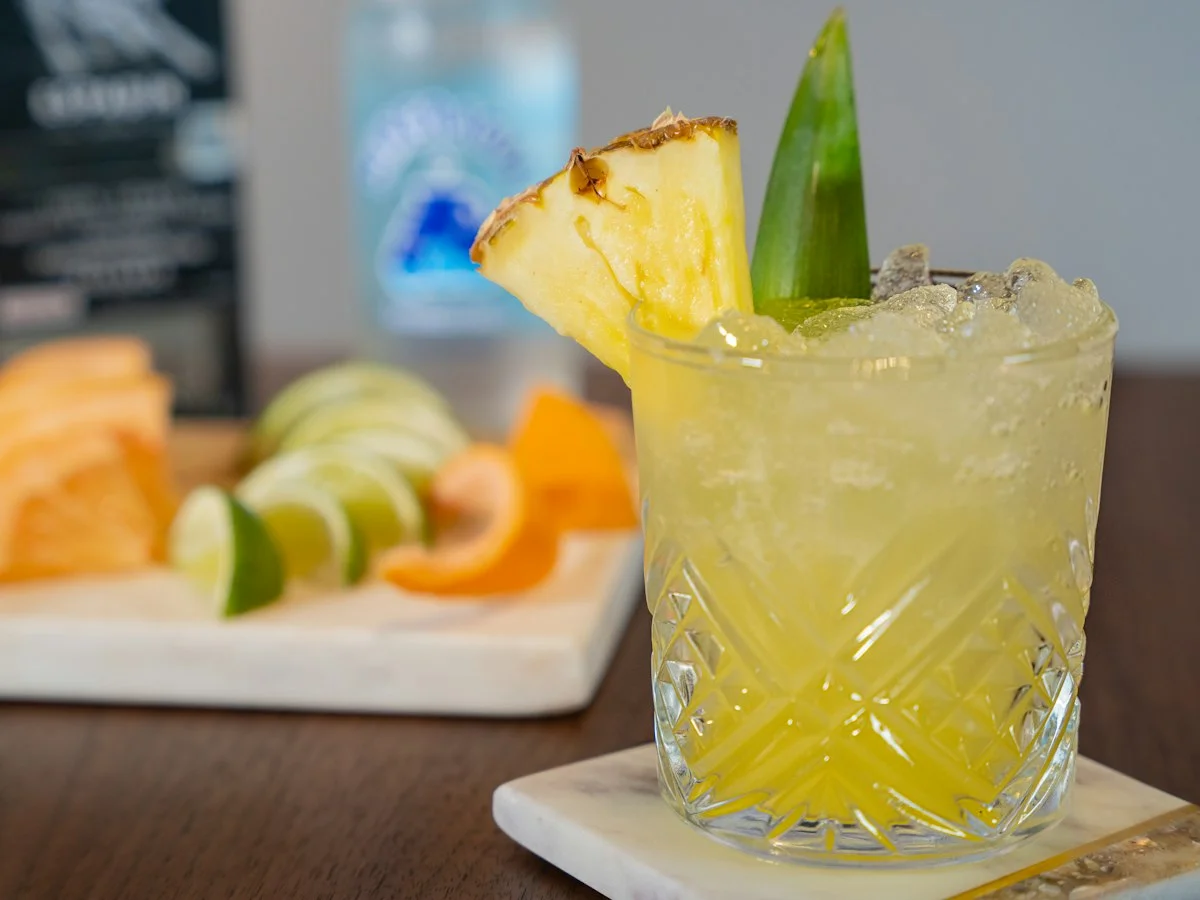
- Garnish with a pineapple leaf, a lime wheel, or both. A brandied cherry also works.
Why This Spec Works
This ratio is a modern adaptation of the original 1970s recipe, which called for 4 ounces of pineapple juice. That older version can taste thin and overly sweet if the rum isn’t potent enough. The 1.5‑ounce pineapple juice here keeps the drink tart and bitter, letting the funky Jamaican rum come through. The source at Milk Punch Media notes that today Jamaican or blackstrap rum is the standard.
Many bartenders prefer a split rum base—for example, using half Navy‑strength and half standard dark rum—to add complexity. The version from Proof Cocktails includes two rums: one high‑proof and one mellow. If you want to experiment, try replacing 0.75 oz of the Jamaican rum with an overproof rum and see how the drink changes.
Common Mistakes
- Using bottled pineapple juice from a carton. Fresh pineapple juice is best. A good health‑food store brand is an acceptable substitute, but carton juice often lacks acidity and depth. Squeeze a pineapple yourself or buy fresh‑pressed juice.
- Skipping the simple syrup. The drink needs a touch of sugar to balance the Campari and lime. Without it, the bitter notes can be harsh.
- Over‑shaking. This drink contains fruit juice, which can become watery if shaken too long. Keep the shake to 12–15 seconds.
- Wrong rum. A light or column‑still rum won’t provide the necessary funk. Stick to Jamaican or blackstrap styles.
Variations
- Lower sugar: Reduce simple syrup to 0.25 oz (7.5 ml) or omit it if your pineapple juice is very sweet.
- Herbal twist: Add 0.25 oz of a herbal liqueur like Yellow Chartreuse or a dash of allspice dram.
- Smoky version: Replace half the rum with a small amount of mezcal. The smokiness pairs well with Campari.
- Clarified Jungle Bird: Some home bartenders clarify the drink using milk wash. The Cocktail Chemistry site details a milk‑washed punch that results in a clear, shelf‑stable cocktail. This is an advanced technique but worth trying if you enjoy the Jungle Bird in large batches.
Glassware and Presentation
A rocks glass with a thick, heavy base works well. The drink is typically served over a single large ice cube to slow dilution. If you don’t have a large cube, use regular ice and serve immediately.
Why It’s a Tiki Classic
The Jungle Bird is often cited as a gateway tiki drink because it’s easy to make and doesn’t require obscure ingredients. It also appears on many modern tiki bar menus. The drink’s popularity surged after Jeff Berry, a noted tiki historian, rescued it from obscurity, as mentioned in the Milk Punch Media article. Its simplicity and unique bitter‑sweet profile make it a staple for any home bar.


