
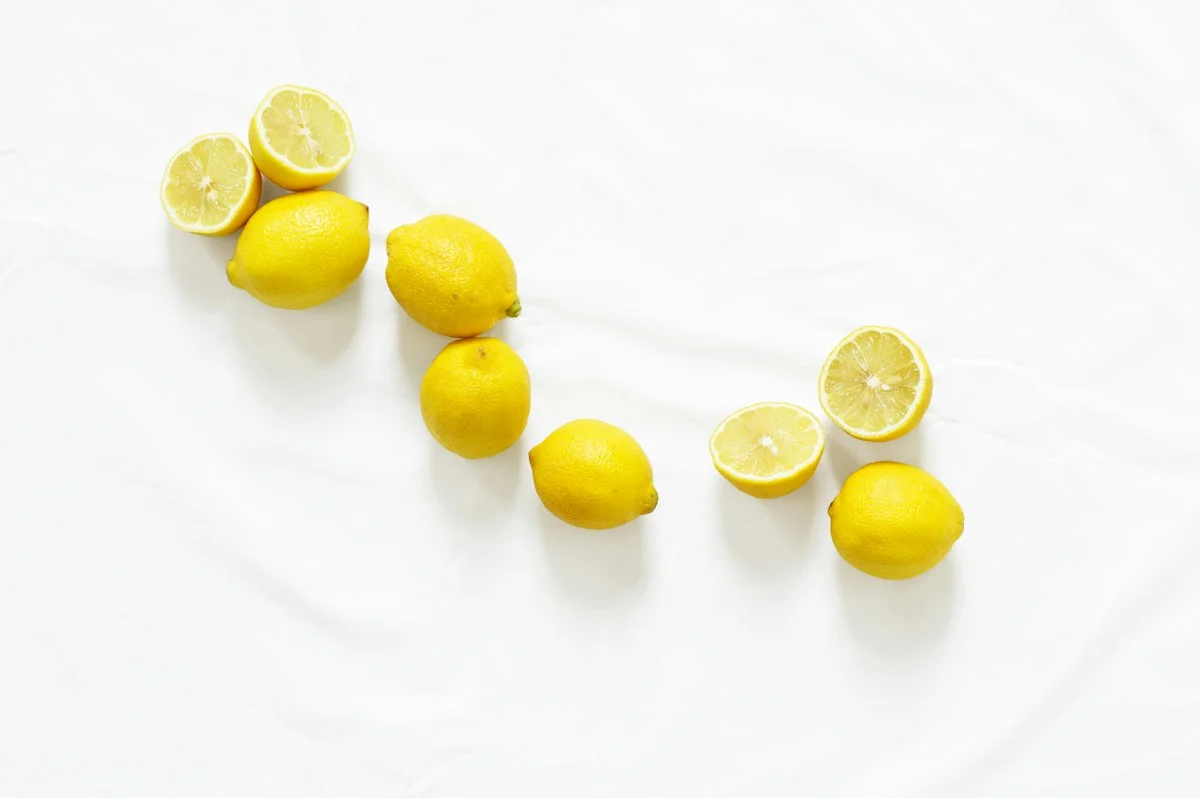
If you bought a bulk bag at the store, inherited a neighbor’s harvest, or your own tree suddenly delivered, you now have more lemons than you know what to do with. The good news: lemons are among the easiest fruits to preserve, and they work in everything from cocktails to cleaning solutions. Here’s how to get through that pile without waste.
The First Step: Pick your preservation method
Most lemon waste happens because we treat them like a single-use ingredient. Instead, think of a lemon as three usable parts: zest, juice, and peel. Each can be saved separately, and several methods let you store them for months.
Freeze juice and zest
Freezing is the quickest option. Juice the lemons and pour the juice into ice cube trays. Once solid, pop the cubes into a freezer bag—each cube is roughly one to two tablespoons. Zest the lemons before juicing and freeze the zest in a small bag or pressed into a thin layer that you can break off as needed. Sliced lemon wedges also freeze well for dropping directly into drinks without thawing.
Can lemon juice
For shelf-stable juice, Practical Self Reliance suggests filtering the juice through a fine-mesh strainer, bringing it to a boil, then water-bath canning it for five minutes with a quarter-inch headspace. This works best if you have a lot of lemons at once and want to skip defrosting later.
Make preserved lemons
A classic Moroccan-style preserve that transforms lemons into a salty, tangy condiment. The process is simple: quarter the lemons almost all the way through, pack the cuts with salt, and stuff them into a jar, pressing down so they release their own juice. Top off with extra lemon juice if needed, seal, and let sit at room temperature for at least a month. The result keeps in the refrigerator for up to a year. Use them in tagines, salads, dressings, or hummus—add them toward the end of cooking so the flavor doesn’t fade.
Candy the peels
Candied lemon peels are a kitchen project that uses peels you might otherwise toss. Use a vegetable peeler to remove just the yellow zest, then simmer the strips in water for about 25 minutes. Drain, then cook them in a simple syrup (equal parts sugar and water) for another 15 minutes. Let them dry on a wire rack. Once dry, you can dip them halfway in dark chocolate for an extra treat. Candied peels keep for weeks in an airtight container and make excellent garnishes for desserts or cocktails.
Make something delicious
If you prefer to use the lemons in a finished dish rather than preserve them, these recipes consume lemons by the cup.
Lemon curd
Lemon curd is a natural candidate for using up multiple lemons. The basic ratio is roughly six egg yolks, a cup of sugar, a cup of lemon juice, and zest, plus butter. It cooks gently on the stove until thick, then gets chilled. Use it on scones, toast, cakes, or as a filling for tarts. It freezes well, too.
Lemon bars
A classic bake that uses both juice and zest in the filling and a buttery shortbread crust. Some versions use brown butter in the crust for extra depth. The filling requires a generous amount of lemon—a batch easily uses four or more lemons.
Preserved lemon crinkle cookies
From Food52, these cookies incorporate preserved lemon peel right into the dough for a salty, intensely citrus flavor. They’re not your average lemon cookie: the preserved lemon adds Umami and a pronounced lemon punch.
Lemonade concentrate (or syrup)
You can water-bath can a lemonade concentrate that keeps on the shelf. Combine lemon juice, sugar, and water, bring to a simmer, and can in half-pint jars. When you want lemonade, just dilute the concentrate with water. The same syrup works for cocktails or iced tea.
Limoncello
A crowd-pleasing Italian liqueur that uses only the peels—a perfect way to use up the zest after juicing. Steep the peels in high-proof vodka or Everclear for at least four days (up to a month), then strain and combine with a simple syrup. Store in the freezer and serve chilled.
Cocktails and drinks
Beyond lemonade, lemons are essential in many cocktails. Freeze lemon juice in cubes so you always have fresh-tasting juice on hand for a Whiskey Sour, Tom Collins, or Lemon Drop. A lemon syrup (like the concentrate above) also works in place of fresh juice in many shaken drinks. For a non-alcoholic option, freeze lemon slices or wedges to add to water or iced tea without watering it down.
Cleaning and home uses
Lemons are not just for eating. The acid in lemon juice cuts through grease and removes stains naturally:
- Deodorize the fridge by wiping down surfaces with lemon juice and water.
- Sterilize the microwave by heating a bowl of water with lemon slices for a few minutes.
- Remove berry stains from hands by rubbing with a cut lemon.
The peels can also be infused in vinegar for an all-purpose cleaner.
What to avoid
Don’t let lemons sit loose in the fridge until they wither—once you notice a few softening, it’s time to act. Also, when making preserved lemons, ensure the lemons stay fully submerged in juice during fermentation to prevent mold. For canning, follow reliable guidelines from a source like the USDA or a trusted canning manual; the numbers mentioned here (five-minute boil, quarter-inch headspace) come from the Practical Self Reliance article and are a starting point—check current safe canning recommendations for your altitude.
A final note on planning
Most of these methods require little more than time and a few basic ingredients. Freezing and canning are the fastest for large quantities; preserved lemons reward patience. If you only have a dozen lemons, try a combination: zest and freeze it, juice some for curd, and save the peels for candying or limoncello. That way you get three different products from one bag.
Further reading
- What To Do With THIS Many Lemons… (TheKiwiGrower) – video with 12 creative ideas.
- 24 Ways to Use Lemons in Cooking, Cleaning, and Crafting (SELF) – broad list of food and non-food uses.
- Recipes That Make It Easy to Use All the Lemons This Winter (Zero-Waste Chef) – candied peels, limoncello, frozen zest tips.
- 20+ Ways to Preserve Lemons (Practical Self Reliance) – canning juice and lemonade concentrate.
- The Better Half: Leftover Lemons (Food Huggers) – freezing whole lemons and getting more juice.
- Extra Lemons? 35 Recipes to Brighten Your Day (Food52) – lemon bars, preserved lemon cookies, and more.
- Preserved Lemons Two Ways (Alexandra’s Kitchen) – traditional and quick methods.
- Saving the Season: Lemons (Naturally Ella) – freezing, drying, and fermenting advice.